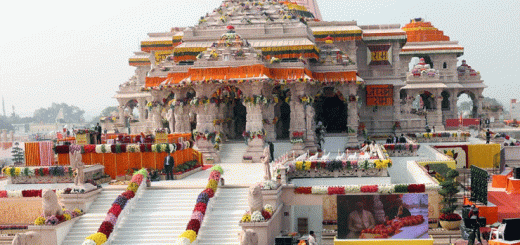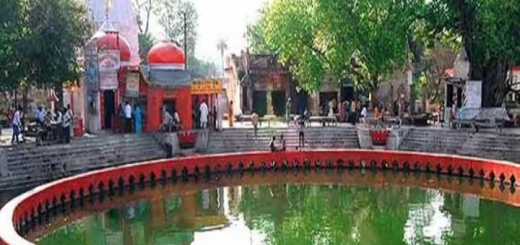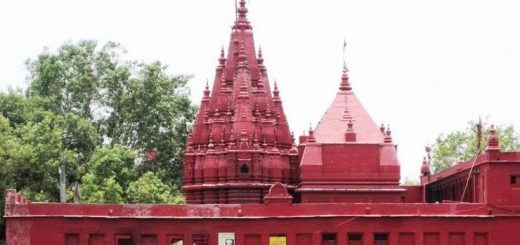
Prayagaraj a city which host milion of people on the shore of river
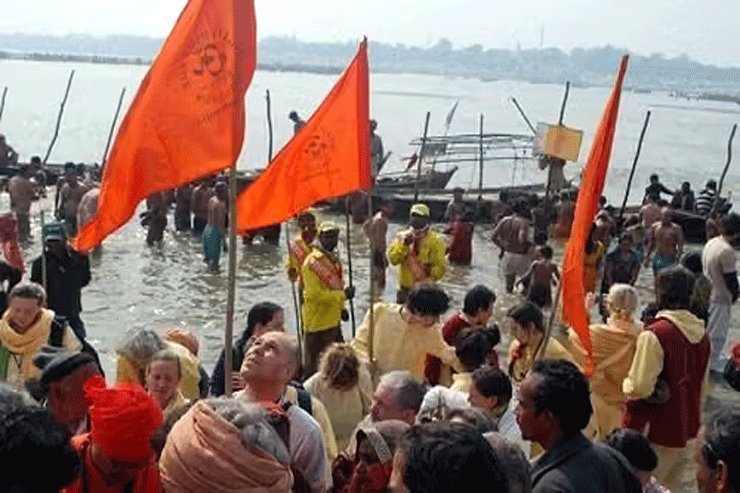
Prayagraj is one of the seven sacred cities of India and is known as the King of Tirthas (pilgrimage centers). The city hosts the Maha Kumbh Mela every twelve years and the Ardha Kumbh Mela every six years. These grand events are associated with the legend of Samudra Manthan (the churning of the ocean), during which drops of the divine nectar (amrit) fell on the banks of three holy rivers — the Ganga, Yamuna, and Saraswati.
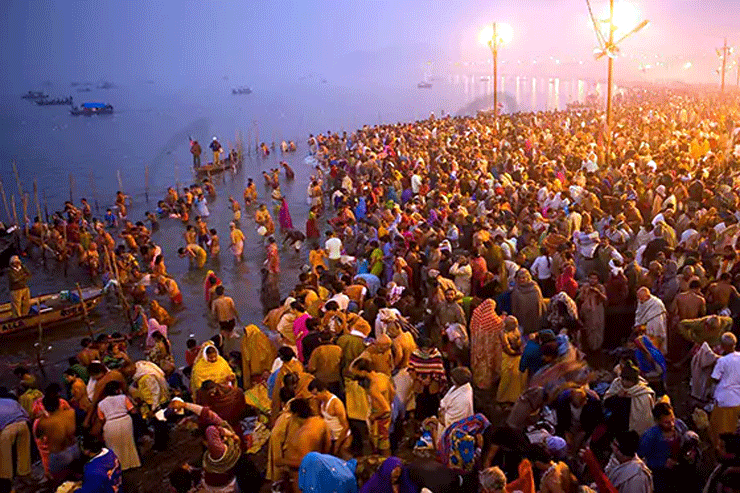
Every twelve years, Prayagraj comes alive with the grand Maha Kumbh Melhttps://www.varanasitourspackage.com/prayagraj-maha-kumbh-mela-packagea, and every six years with the Ardha Kumbh Mela — magnificent gatherings that attract millions of devotees and visitors from across the world. According to ancient legend, drops of the sacred nectar (amrit), churned from the cosmic ocean (Samudra Manthan), fell upon this holy land, sanctifying it forever.
During the auspicious Hindu month of Magh, the city transforms into a vibrant spiritual haven, filled with rituals, devotion, and a deep sense of divine energy. A visit to Prayagraj during the Kumbh Mela is not just a journey — it’s an experience of faith, culture, and timeless tradition.
1. Triveni Sangam
The sacred confluence of the Ganga, Yamuna, and the mythical Saraswati rivers. Taking a holy dip here is believed to cleanse one’s soul and wash away sins. During the Kumbh Mela, this site becomes the spiritual heart of India.
2. Kumbh Mela
The world’s largest spiritual gathering, held every 12 years (Maha Kumbh) and 6 years (Ardha Kumbh). Millions of devotees, sadhus, and travelers come together in a grand celebration of faith and humanity.
3. Allahabad Fort
Built by Emperor Akbar in 1583, this majestic fort stands on the banks of the Yamuna near the Sangam. Inside lies the legendary Ashoka Pillar and the mysterious Saraswati Koop, believed to mark the source of the Saraswati River.
4. Anand Bhavan
The ancestral home of the Nehru family, this beautifully preserved mansion is now a museum showcasing the lives and legacy of India’s first Prime Minister, Jawaharlal Nehru, and the freedom movement.
5. Khusro Bagh
A serene historical garden housing the magnificent tombs of Prince Khusro (son of Emperor Jahangir) and his family. The Mughal architecture and peaceful surroundings make it a perfect place for history lovers.
6. Alfred Park (Chandrashekhar Azad Park)
A sprawling park dedicated to Freedom Fighter Chandrashekhar Azad, who achieved martyrdom here. It’s a blend of history, greenery, and patriotism in the heart of the city.
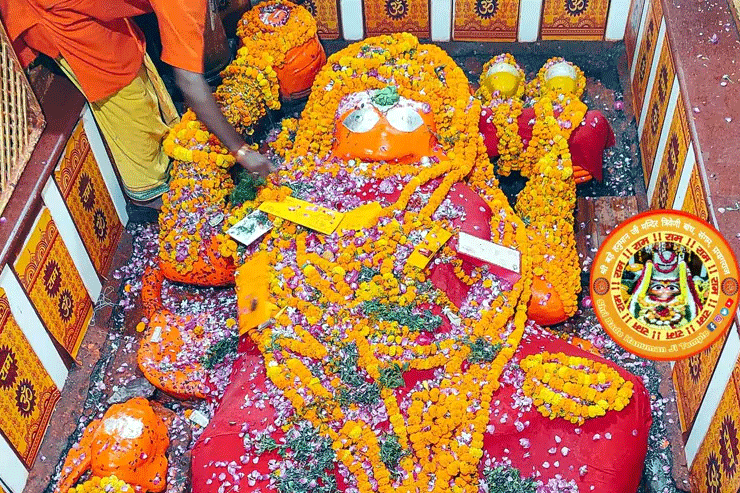
7. Hanuman Mandir (Sangam Hanuman Temple)
One of the most unique temples where Lord Hanuman is depicted in a reclining posture. During monsoons, the temple often becomes partially submerged — a sight that devotees consider highly auspicious.
8. Minto Park (Madan Mohan Malviya Park)
Located on the Yamuna banks, this is where the proclamation of the transfer of power from the East India Company to the British Crown was made in 1858 — a site rich in colonial history.
Located near the sacred Triveni Sangam, the Alopi Devi Temple is one of Prayagraj’s most revered and mysterious shrines. Unlike most temples, there is no idol of the Goddess here — instead, devotees worship a wooden cradle (doli), believed to be a symbol of Alopi Mata, the “Disappearing Goddess.”
According to legend, this is the spot where the last part of Goddess Sati’s body vanished during Lord Shiva’s sorrowful journey after her self-immolation. Hence, the name “Alopi”, meaning “that which disappeared.”
The temple attracts thousands of devotees, especially during the Navratri festival, when it comes alive with prayers, lights, and spiritual energy. With its deep mythology and powerful aura, Alopi Devi Temple stands as a symbol of unwavering faith and divine mystery in the holy city of Prayagraj.